Selling a Home in Probate: An Oregon Guide
Managing a home after the loss of a loved one is rarely one decision. Probate, family conversations, personal belongings, property maintenance, and a possible sale all tend to arrive at the same time. This page covers the real estate side: whether probate is even required, how Oregon handles it, and what selling during probate actually involves.
This is general educational information, not legal, tax, or financial advice. Probate circumstances vary. Consult an attorney and tax professional about your specific situation.
Read the Full Guide
The Oregon Probate Real Estate Guide walks through protecting the property, evaluating its condition, selling options, preparing a probate property for market, and building the right team.
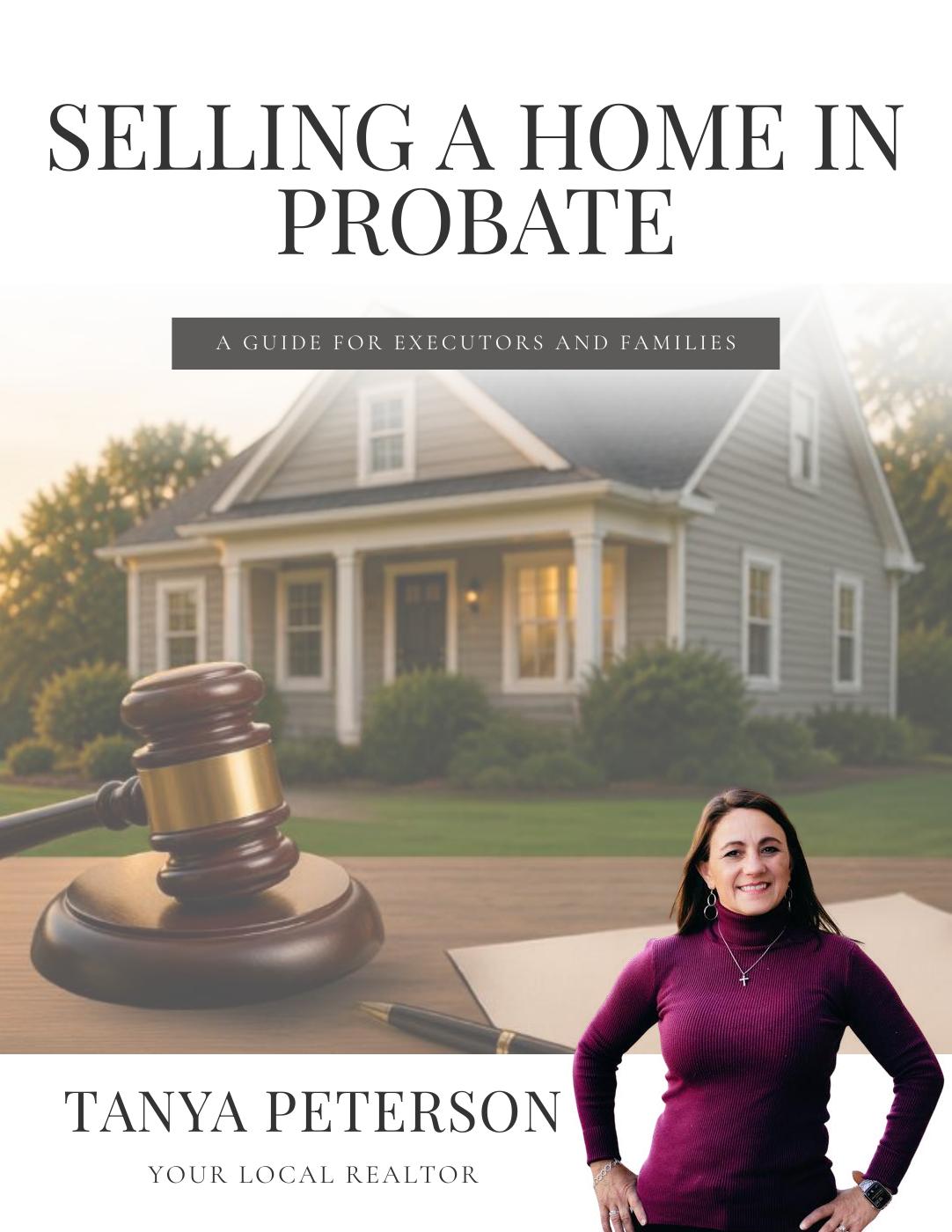
Read The Oregon Probate Real Estate Guide →
Property Held in a Trust, LLC, or With Multiple Owners?
Probate isn’t the only situation where it takes extra steps to confirm who can actually sign. If the property involves a trust, an LLC, multiple owners, or a power of attorney, Selling Property Owned by a Trust, LLC, Estate or in Probate walks through what to check before listing.
First: Does the Home Have to Go Through Probate?
Not every property does. How the title was held usually decides it. Common situations where a home passes outside probate:
- Joint tenancy with right of survivorship — ownership passes automatically to the surviving owner
- Tenancy by the entirety — the married-couple version of the same thing
- A funded living trust — the trust owns the home, so a successor trustee can sell without probate
- Transfer on death deed — Oregon recognizes these; the named beneficiary takes title directly
- Payable on death or beneficiary designations — applies to accounts, not real property, but often shapes the larger picture
Pull the deed before assuming anything. How the property is titled is a matter of public record, and it changes the entire path forward.
Oregon’s Two Paths
Small Estate Affidavit
Oregon offers a simplified process for smaller estates. To qualify, the total estate must be $275,000 or less, with no more than $200,000 in real property and no more than $75,000 in personal property. The affidavit can be filed once 30 days have passed from the date of death. It is faster and considerably less expensive than full probate.
Full Probate
Estates above those limits go through court-supervised probate. The court appoints a Personal Representative, creditors receive notice, assets are inventoried, and the estate is settled under court oversight. Expect several months at minimum, often longer when a property sale is involved.
Can You Sell the Home During Probate?
Yes. This is the question I get most often, and the answer is generally yes — but the Personal Representative is the one with authority to sign, not the heirs individually. A few things work differently than a standard sale:
- The Personal Representative must be formally appointed before the property can be listed or sold
- Depending on the estate, the sale may require court confirmation or notice to interested parties
- Disclosure obligations differ, since the seller often has never lived in the home
- Timelines are longer and less predictable, which affects how the property should be priced and marketed
- Creditor claims are settled from the proceeds before heirs receive anything
Buyers and their agents sometimes assume a probate property means a distressed price. It doesn’t. A well-prepared probate listing competes on the open market like any other home.
Know What the Property Is Worth — Every Year, Not Just at the End
Most people check their retirement accounts and their stocks regularly. A home is usually the largest asset in the estate, and it goes years without anyone looking at it. It deserves the same attention.
There will almost certainly be a moment when someone needs the number: the probate court, a Personal Representative filing an inventory, an attorney establishing stepped-up basis, or family members trying to divide an estate fairly. Reconstructing a value after the fact is difficult and sometimes contested. Having a dated record already in hand is not.
Sign up free with Homebot using your address and you’ll get an ongoing value and equity snapshot on whatever schedule you choose — monthly, quarterly, twice a year, or annually. I’m notified when you sign up, and I’ll build a full market analysis from live comparable sales and load it into your account. No cost, no obligation, and nothing about it commits you to selling.
The Tax Side
Three things matter most here, and all three are worth reviewing with your CPA rather than taking on faith from a website.
- Oregon estate tax. Oregon assesses an estate tax on estates above roughly $1 million — a far lower threshold than the federal exemption, which catches many families by surprise, since a paid-off Oregon home can approach that figure on its own.
- No Oregon inheritance tax. The tax is assessed against the estate itself, not against beneficiaries. Heirs do not pay an Oregon inheritance tax on what they receive.
- Stepped-up basis. Inherited property is generally valued at its fair market value as of the date of death rather than what the deceased originally paid. That reset often dramatically reduces or eliminates capital gains when the home is sold soon after.
For the full financial picture on a sale — capital gains exclusions, Oregon rates, transfer tax, and Medicaid considerations — see Buying & Selling a Home as a Senior.
Who You’ll Want on the Team
- Probate attorney — not optional for full probate; also the right call when you’re unsure which path applies
- CPA or tax professional — for estate tax, basis, and the timing of a sale
- Real estate broker experienced with probate — for valuation, property preparation, and coordinating with the attorney and court timeline
- Estate sale or clear-out service — for personal property, often the most emotionally difficult piece
- Property maintenance and insurance — a vacant home still needs care, and standard policies may not cover vacancy
See Your Trusted Professional Network for local contacts, and How to Age in Place for document-organizing systems and caregiver resources.
Common Questions
How long does probate take in Oregon?
A small estate affidavit can resolve in weeks. Full probate more commonly runs several months to a year or more, depending on the estate’s complexity, whether creditors file claims, and whether the heirs agree.
Do all the heirs have to agree to sell?
The Personal Representative has authority to act on behalf of the estate, but disagreement among heirs can stall a sale in practice and sometimes in court. Getting everyone informed early prevents most of these problems.
What if the home needs significant repairs?
You have options: sell as-is, complete targeted repairs from estate funds, or sell to a buyer who expects to renovate. Which one nets more depends on the specific property. That’s a conversation worth having before spending anything.
Can we sell before probate is finished?
Usually yes, once the Personal Representative is appointed. The sale can often close while other parts of the estate are still being settled. Your attorney will confirm what your specific case requires.
We’re not selling. Is there any reason to know the value?
Yes. Estate tax exposure, stepped-up basis, an equitable split among heirs, and the probate inventory itself all depend on the property’s value. A yearly snapshot costs nothing and saves your family from guessing later.
Is there a cost to talk with you first?
No. If you’re not sure whether probate applies or what the property is worth, a first conversation costs nothing and carries no obligation.
You Don’t Have to Figure Everything Out at Once
If you’re managing a property through probate, I can help you understand the real estate decisions in front of you and build a plan around your timeline — including what the property is likely worth and what preparing it for market would involve.
Tanya Peterson, REALTOR® | Principal Real Estate Broker
Next Level Real Estate PNW at John L. Scott Market Center
503-260-2164 · tanya@tanyapeterson.realtor
Trust Established ~ Goals Identified ~ Results Delivered.
 Oregon Senior Guide